
Insights to Help Elevate Impact and Nonprofit Performance
Read our latest articles on nonprofit governance, strategy, operations, and AI adoption.
What’s Making News for Nonprofits?
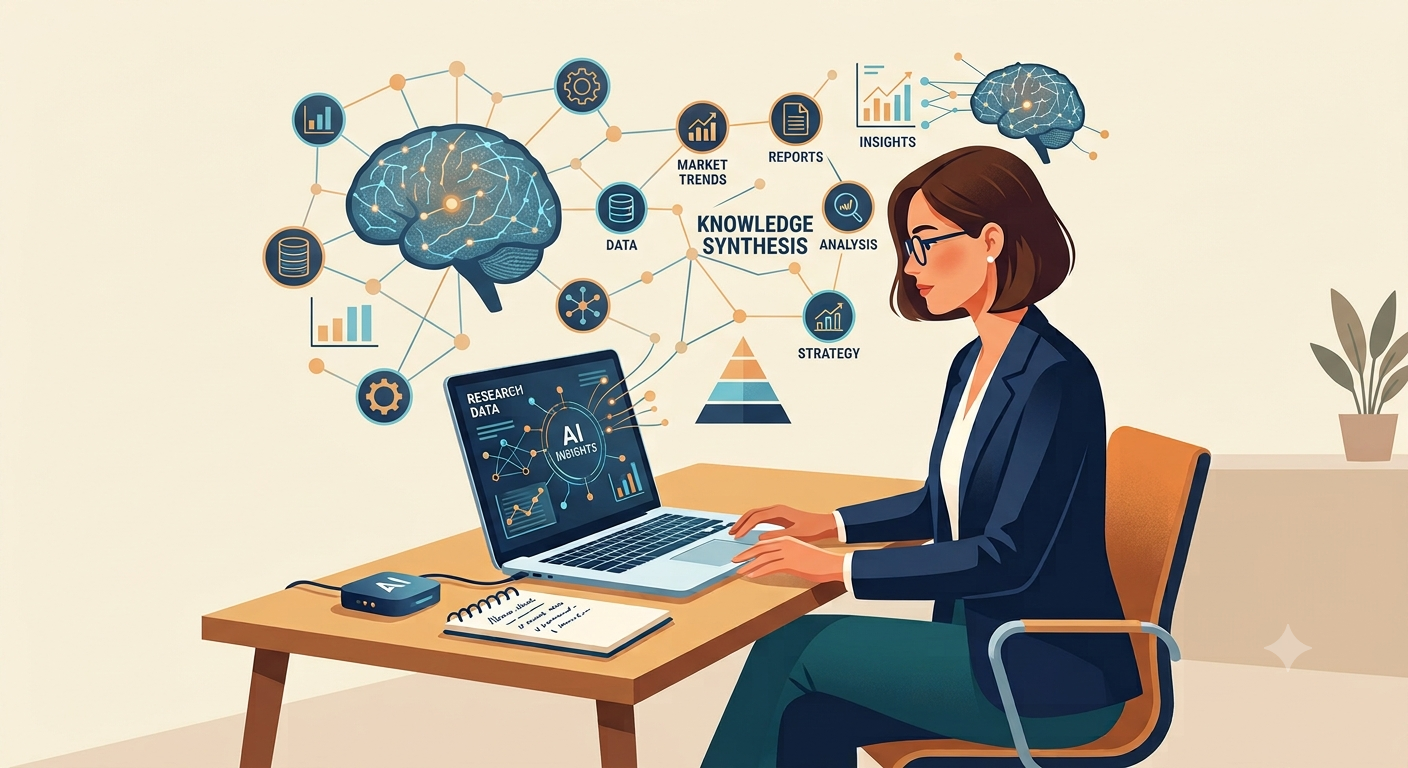
In today's fast-paced environment, it's hard for any executive leader to keep track of what's making news for nonprofits, what might profoundly impact their organization, all while doing the day-to-day work of sustaining it. It's not dissimilar for nonprofit consultants, so I often lean on AI tools to help sift through it all. With clear prompts and a few clarifying questions to narrow the research to verifiable public records, I can stay informed without losing hours to the search.

Advising Nonprofits Navigating Uncertainty in 2026
Nonprofits are Navigating uncertainty in 2026 with strategic planning, governance, and AI integration for nonprofits. Get expert advice from KDP Consulting Inc.

AI Is a Tool. Your Strategy Determines Its Impact.
AI is a tool. It is already shaping hiring, fundraising, program delivery, communications, and data decisions across every sector within the nonprofit sector. The value of AI technology comes from how you choose to use it. Nonprofits that fail to plan for AI are giving up control of outcomes to outside forces, while those that plan for AI keep control of their mission, their data, and their impact.
Why Your Nonprofit Needs a Strategic AI Roadmap
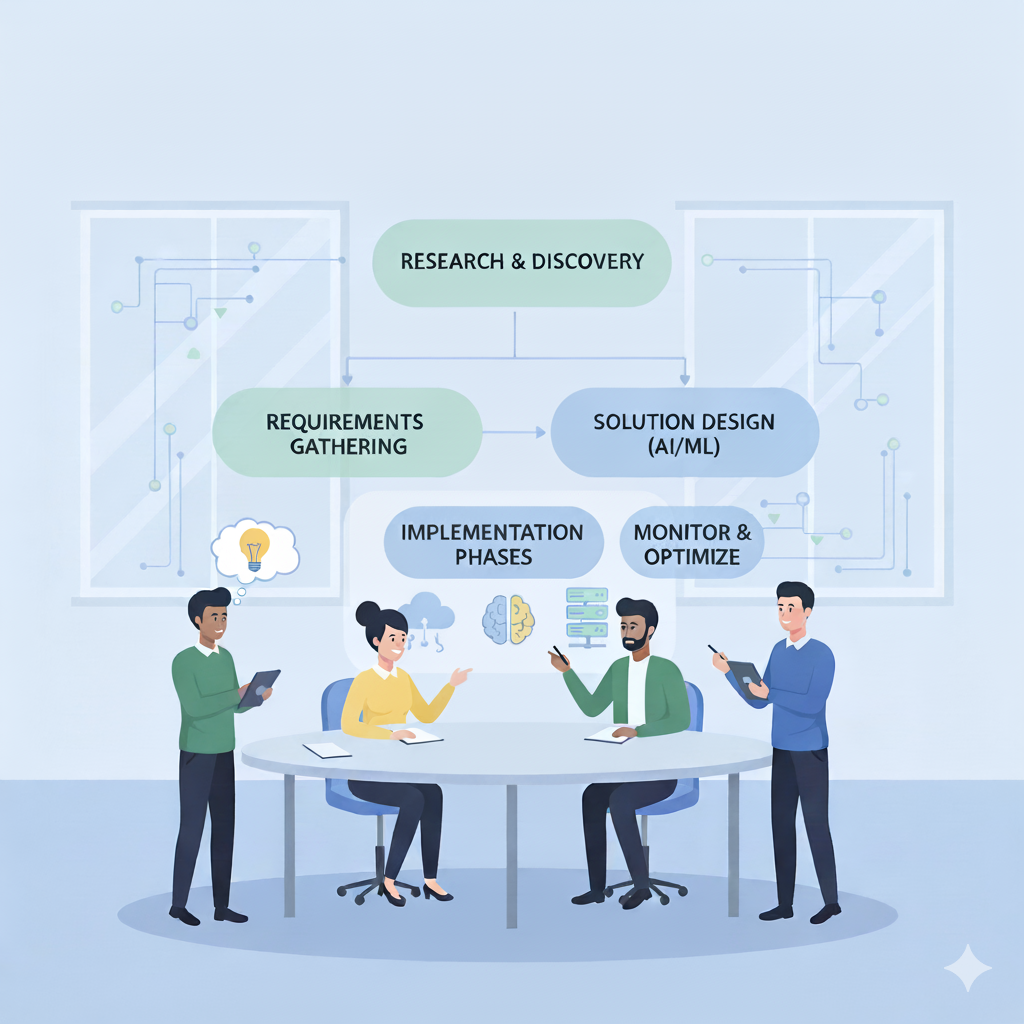
In today’s pressured environment, it’s no longer enough to hope that AI will help your organization you must plan how it will. Having a defined strategic AI roadmap acts as a thought-first pathway to success across the organization - fundraising, volunteer management, client services, and finance. It clarifies what you want to achieve, identifies where AI fits, and helps you integrate tools rather than tack them on superficially.
Create A Thought-First Roadmap to Drive Clarity and Momentum

Membership Recruitment - AI Use Case
Your membership sales team wants to improve their work processes to achieve 30% annual growth for new members. The team is exploring the benefits of AI systems integration.
Currently, the membership sales team manually gathers market data from multiple sources across various regions. The data includes participant demographics, enrollment trends, and historical conversion rates. Once collected, the team compiles large data sets and builds models in excel spreadsheets to track member prospects through the admission/sales funnel from initial inquiries to applications, offers, and final enrolments.

AI Strategic Considerations for Federated Nonprofits
As a nonprofit consultant working closely with small and independent organizations across Canada, it is clear that artificial intelligence (AI) is beginning to reshape how nonprofits operate. For those with operating budgets under $5 million, especially within federated models where autonomy and collaboration coexist, AI’s influence presents both challenges and opportunities. This blog outlines key considerations and strategic options to ensure AI integration sustains organizational effectiveness.

What Makes a Great Facilitator for Strategic Planning
For your nonprofit strategic planning the best facilitators don’t impose solutions - they create the conditions where insights emerge, trust grows, and the leadership team owns its strategic direction. A skilled facilitator can turn a good planning session into a transformative one.

Change Is Constant. AI Integration Requires Transformational Leadership
Change is no longer an event. It is the environment. The most successful nonprofit executives and boards don’t react to change. They build organizations that are built for change. That is the difference between surviving year-to-year and leading for long-term impact.

Nonprofit Sector 2030: Why Your AI Strategy Can't Wait
If you're leading a Canadian nonprofit, you've likely heard the buzz about artificial intelligence. Maybe you've experimented with ChatGPT or attended a webinar, filing it away as "something to explore eventually."
Here's what you need to know: "eventually" has arrived.
The decisions your organization makes about AI in the next 6-18 months will determine whether your nonprofit thrives, struggles, or even survives the decade ahead.

Getting Started with AI: A Strategic Imperative
Based on current research and best practices observed across Canadian nonprofits, organizations should prioritize these three foundational areas when beginning their AI journey. Each area must be approached with careful consideration of how technology implementation supports and reinforces organizational mission, vision, and values….

Why Nonprofits Must Rethink Their Websites in an AI-Driven World
Your website is so much more than an online brochure. It is your main connection point to donors, volunteers, the people you serve, and the unknown potential supporter. The rise of artificial intelligence has rapidly changed how we need to manage our marketing and how people search and engage with organizations. Personally, I am experiencing a growth in clients finding our services through large language models, like ChatGPT.
Can Nonprofits Behind in Technology Really Embrace AI?
AI adoption is not just about software. It requires a governance shift. Boards and leadership teams must recognize that responsible use of AI is now part of organizational stewardship. That means developing policies, asking tough ethical questions, and ensuring accountability. Without this, nonprofits risk undermining trust—their most valuable asset.